The Core Group, a Dallas-based structural engineering firm with over 35 years of consulting experience needed an updated website and brand to reflect their extensive design portfolio in commercial aquatic structures, featuring water slides, large scale aquariums and pools. As the company’s website wasn’t updated in over a decade, it made sense to assess the current state of the website, and with the help of modern website building tools, build a new website from the ground up.
My role
I was responsible not only for designing the new website, but also for overseeing the transfer of ownership from a third party, setting up a new hosting environment, and leading the full build and launch from start to finish.
Challenge
Building a fully customizable website with limited coding experience all while not relying on templates or dev support.
Goal
Refreshing The Core Group brand and the company’s extensive online portfolio through an all-new website back by Google Analytics.
Process
Starting with evaluating the current state of the website, I interviewed key stakeholders to understand business needs and goals, then conducted a competitive analysis to identify opportunities for improvement. After launch, I used Google Analytics to track engagement and validate that the new site better supported user behavior and business goals.
Toolkit
Adobe XD
Adobe Illustrator
Adobe Photoshop
User Interviews
Google Analytics
Miro
Stakeholder vision
Before initiating the rebrand and redesign of The Core Group’s website, I conducted stakeholder alignment sessions to uncover the organization’s strategic vision and identify key business goals. Through these discussions, I documented high-level needs and translated them into a prioritized feature set and content strategy. This helped frame the project around measurable success metrics, ensuring that design decisions aligned with business objectives and user needs.
Rebranding
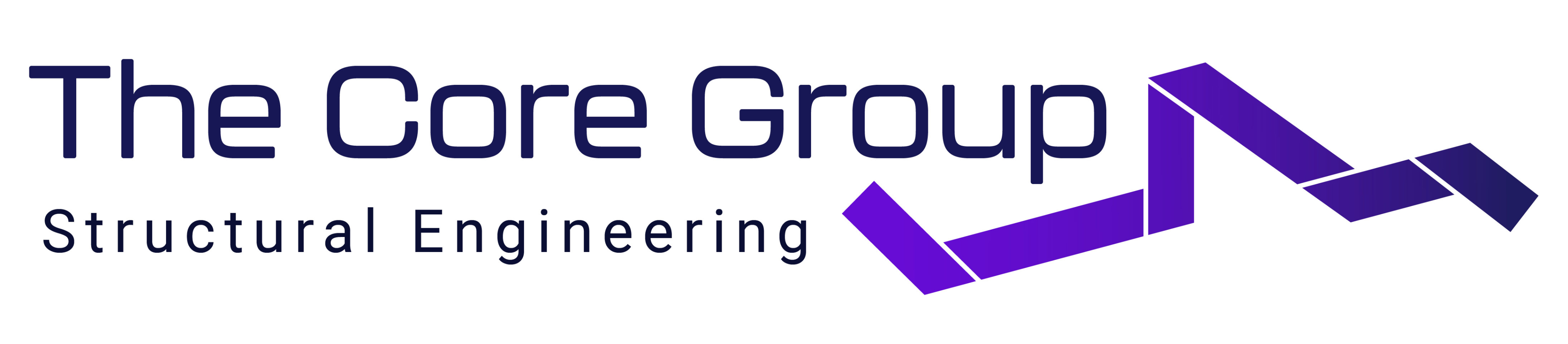
To kick off the rebrand of The Core Group, I started by redesigning the logo—carefully preserving the core visual elements and brand fundamentals that gave the original its identity, while modernizing the form, typography, and color palette to reflect a cleaner, more contemporary look. This balance of continuity and refresh anchored the broader rebrand, allowing the new identity to feel both familiar and elevated across the redesigned site and supporting materials.
This refreshed logo set the tone for a larger brand system, helping the company communicate its values with a cleaner, more confident voice while preserving the familiarity loyal clients expected. The process involved balancing tradition and progress, ensuring the new identity honored its origins while signaling growth.
Website vision
The stakeholders at The Core Group envisioned the new website as a clean, modern platform that would put their project portfolio front and center. They wanted to shift the focus toward showcasing the depth and variety of their past work—creating a site where prospective clients could quickly grasp the company’s capabilities through visual storytelling and a curated archive of projects. This meant building a design system that prioritized imagery, clear navigation, and flexible content modules to accommodate their growing body of work.
A homepage reimagined
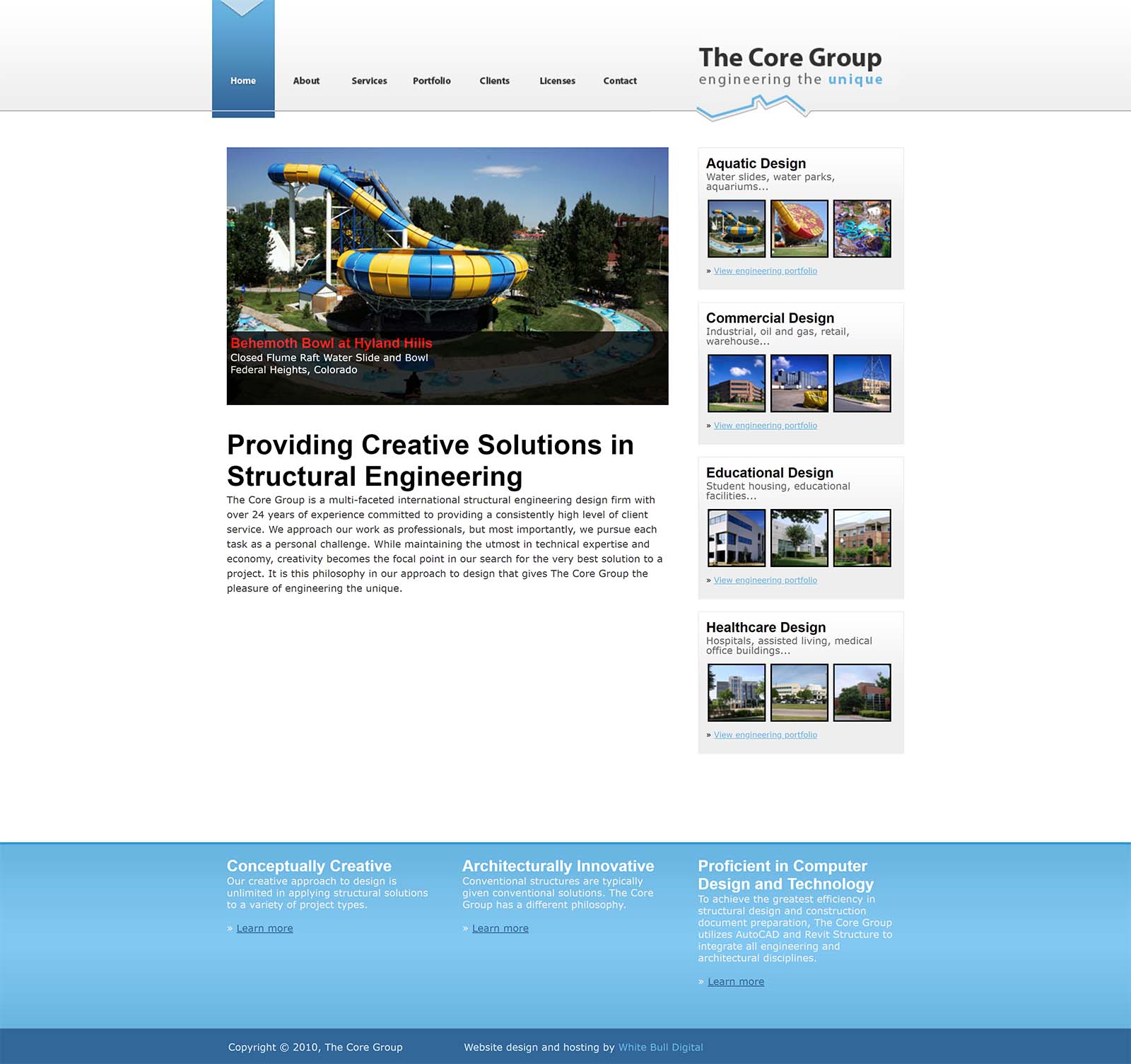
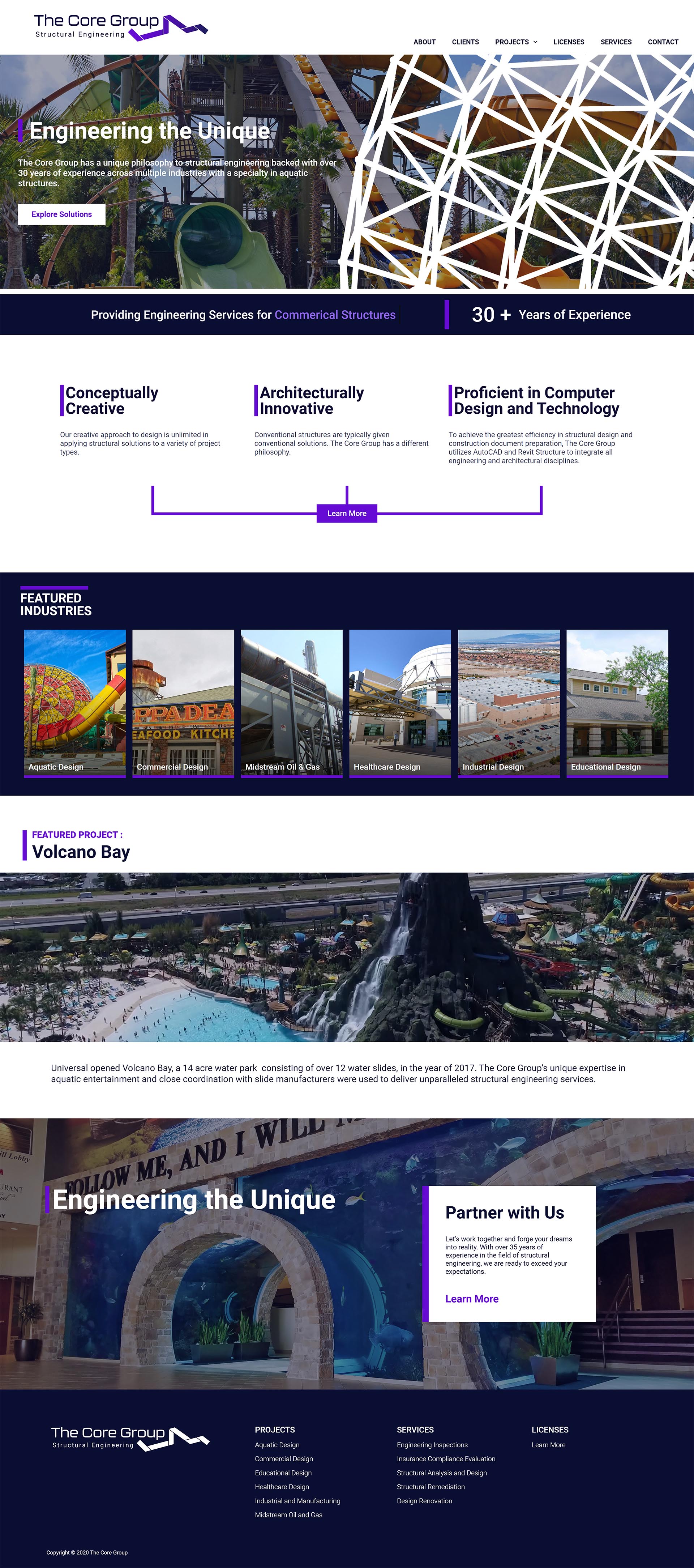
Redesigning The Core Group’s homepage was about transforming solid but buried content into a more intentional, user-centered experience. The original site had valuable information, but its layout didn’t support content discoverability or clearly communicate the firm’s strengths at a glance.
Old homepage:
I led a redesign that leveraged information hierarchy, visual affordance, and progressive disclosure to bring the most compelling content—featured projects, company values, and brand identity—front and center. The new layout surfaces immersive case studies and project highlights immediately, helping users understand the “core” of the business within seconds of landing on the page. This not only improved first-click clarity but also reinforced brand trust and positioned the firm as both established and forward-thinking.
New homepage:
To enhance site usability and support task completion, I introduced a persistent footer equipped with navigation. This design decision addressed secondary navigation needs by offering quick access to key pages—such as project categories, services, and Licenses—without adding cognitive load to the primary nav.
Work that speaks
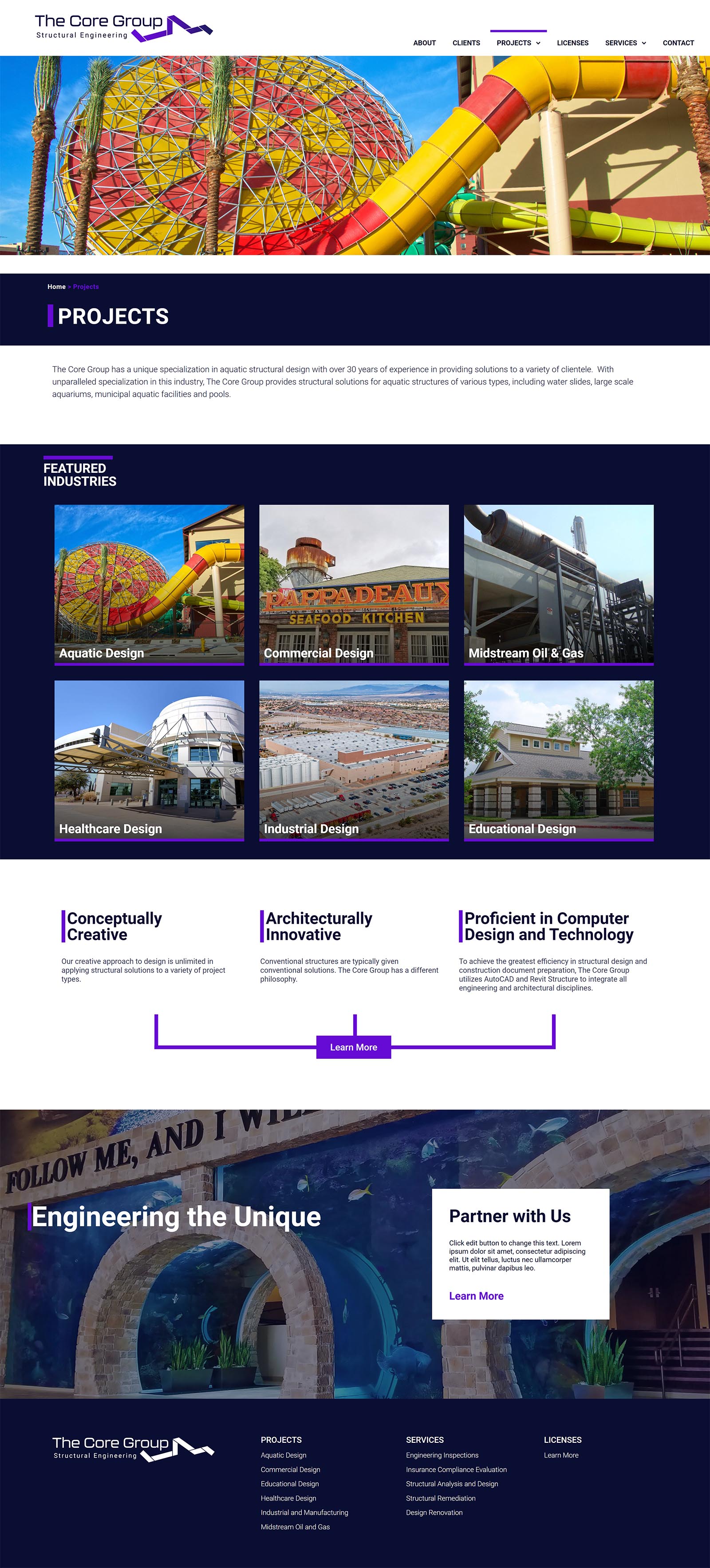
Designing the Projects page for The Core Group began with an emphasis on information architecture—specifically organizing a large, diverse portfolio into an intuitive browsing experience. I introduced an industry-based filter system to allow users to quickly surface projects relevant to their sector, reducing friction and aligning with goal-driven navigation patterns. Each project entry was styled as a modular card, balancing scannability and visual appeal.
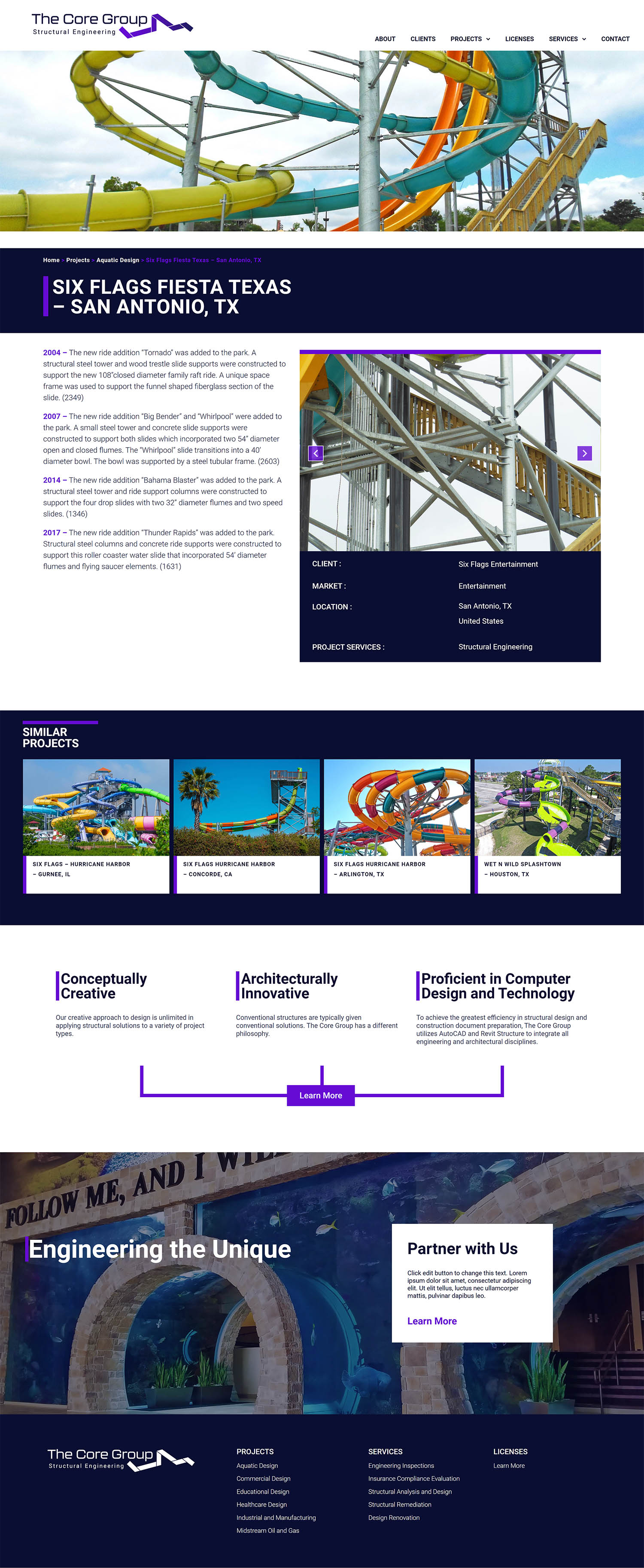
The Project Detail page was designed from scratch, addressing a significant gap in the previous site. My focus was on content hierarchy and key points such as client, market, location, and service details. To highlight long-term partnerships and repeat engagements, I introduced a project timeline component that visually maps out the client’s history with The Core Group. This timeline showcases project milestones across years or phases, reinforcing trust and demonstrating the firm’s ability to foster durable, results-driven relationships.
What it's all about
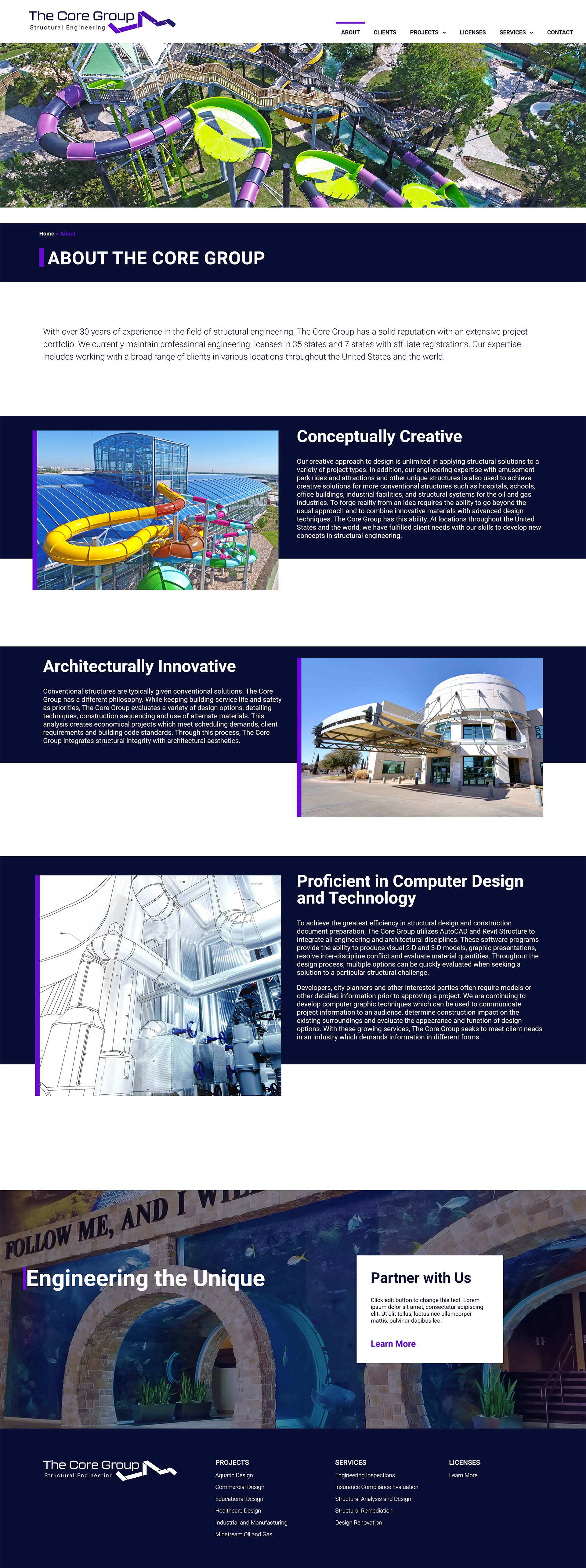
To create The Core Group’s About page, I shaped over 30 years of structural engineering experience into a clear, compelling story that balances technical excellence with creative problem-solving. I organized the content to emphasize their national presence, deep industry expertise, and ability to tackle unconventional projects—from amusement park rides to complex industrial systems.
Quantifying succcess
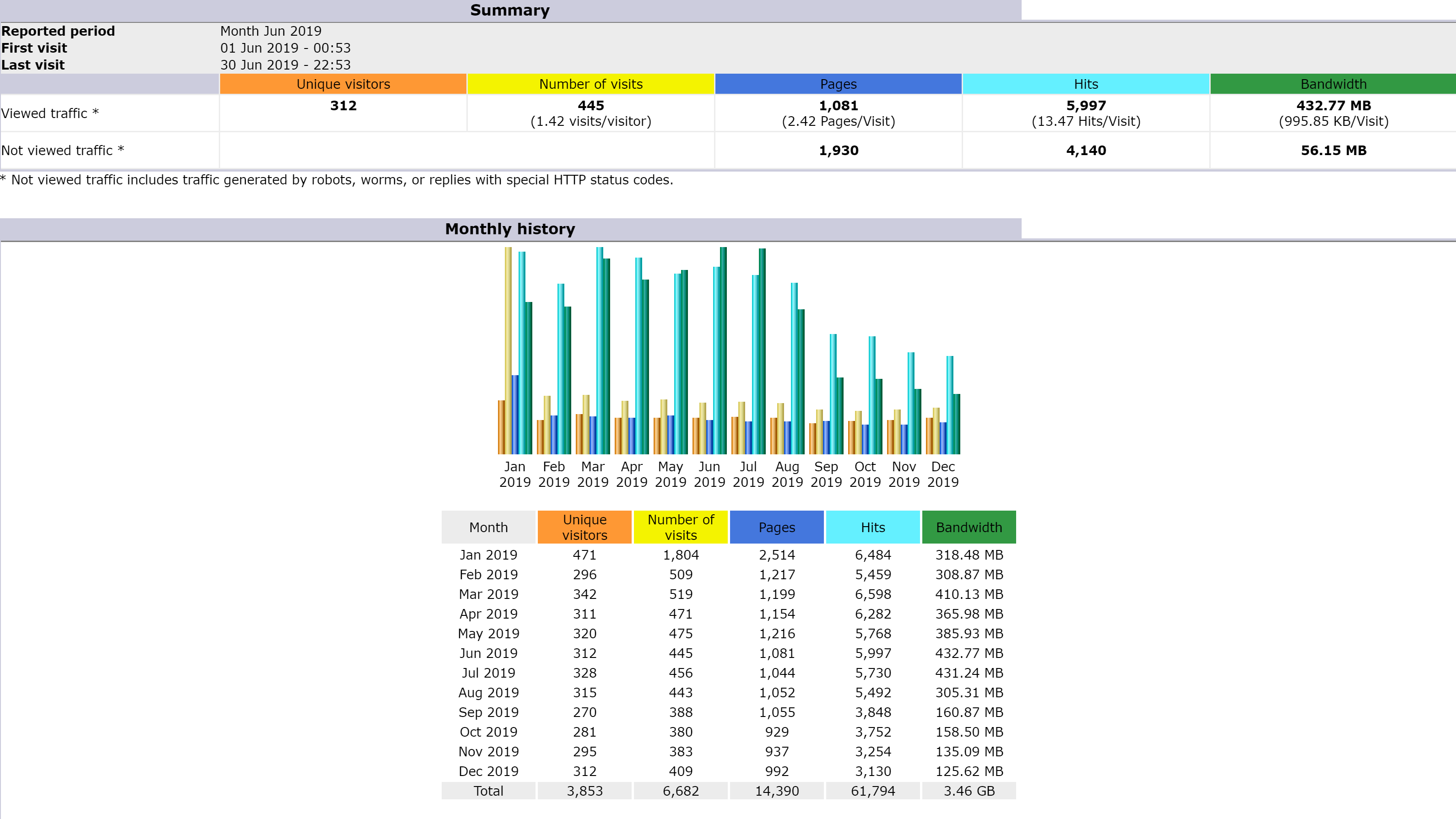
The Core Group’s website data showed encouraging user engagement across several key metrics. In June alone, the site welcomed 312 unique visitors generating 445 total visits, with an average of 2.42 pages per visit and nearly 13.5 hits per visit. This suggests that visitors weren’t simply bouncing—they were actively exploring multiple sections, likely drawn in by compelling content and intuitive navigation. January stood out as the month with the highest traffic—1,804 visits—which may reflect seasonal patterns. Meanwhile, the site’s consistent performance throughout the year, totaling 6,682 visits from 3,853 unique users, indicated a steady stream of interest and return traffic. The relatively high hit-per-visit ratio also implies users interacted with various page elements. Taken together, this data reflects a digital presence that successfully encouraged exploration and sustained engagement.
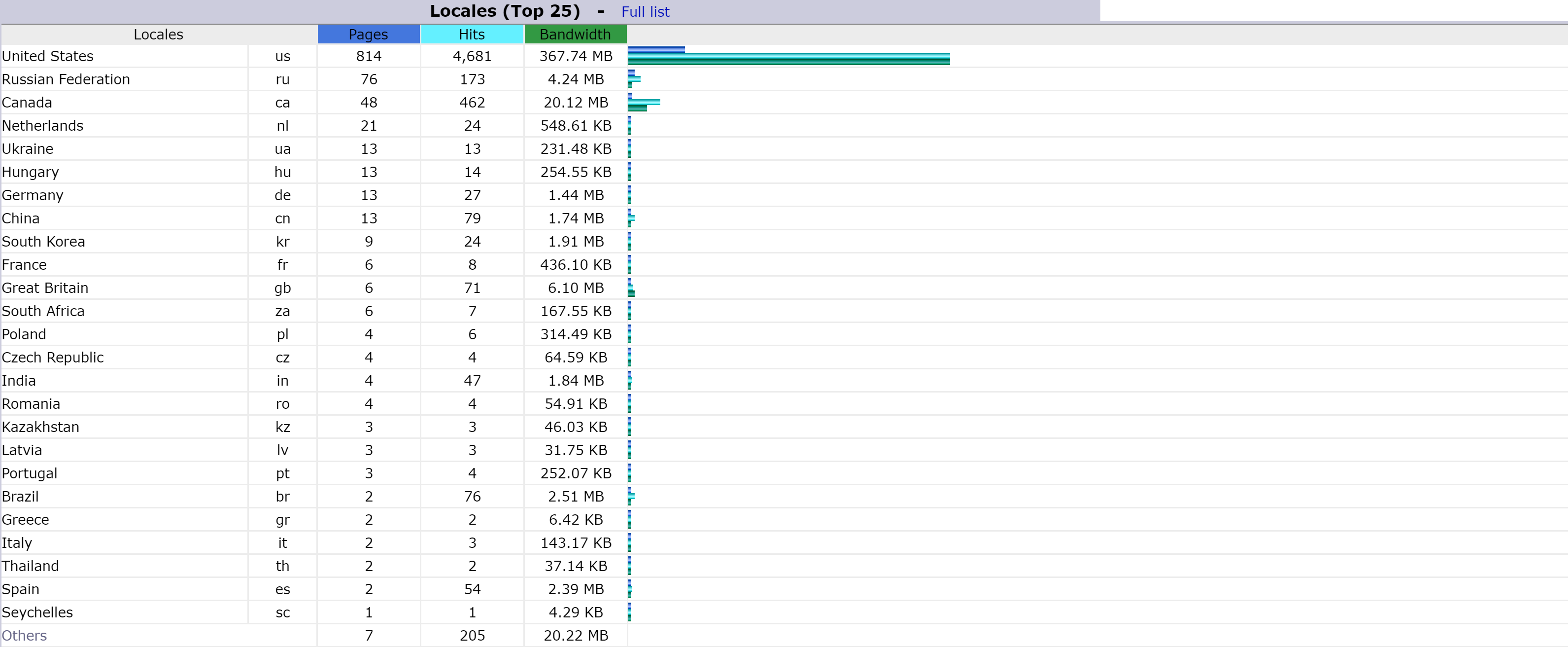
The Core Group’s 2019 web traffic data shoed the United States overwhelmingly led engagement, accounting for the majority of pages viewed (814), hits (4,681), and bandwidth usage (367.74 MB). Other countries like Russia, Canada, and the Netherlands contributed modest traffic, with over 20 international locales showing some level of interaction. The spread highlights strong domestic interest with light global exposure—offering a potential opportunity to grow visibility in targeted international markets.
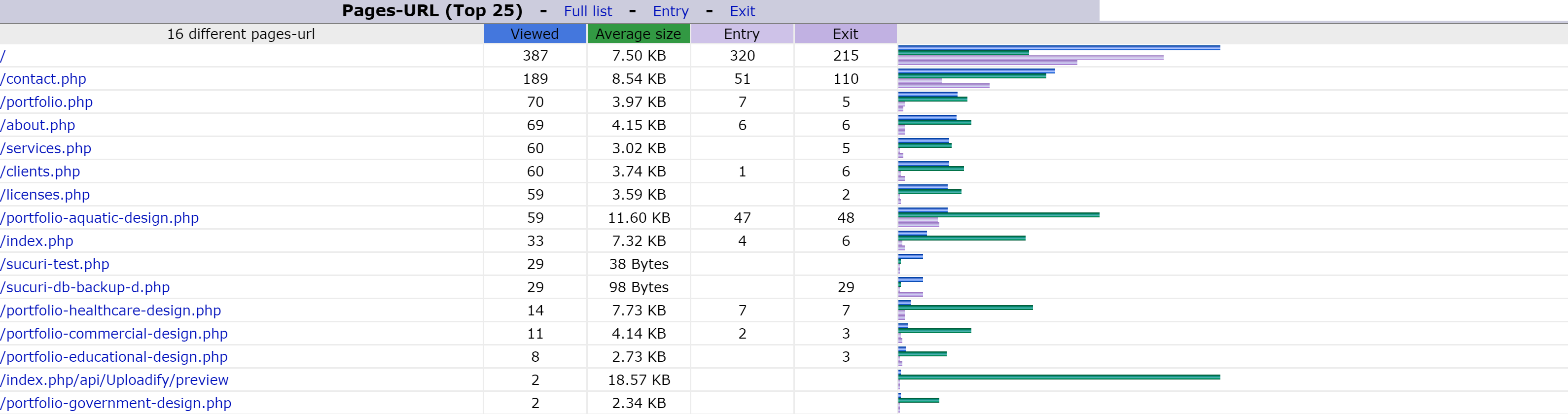
The data showed most users in June 2019 spent a rather brief time on The Core Group’s website with an average visit duration of 48 seconds. Only a small group explored beyond two minutes. However, analyzing the page view counts in the next image, the “Contact” page had the most visits. The data suggests that most users quickly found the information they were looking for and were primed to take the next step—reaching out to The Core Group.
Additionally, users were engaging with both project and service-oriented content, which suggests they were not just browsing—they were actively evaluating The Core Group’s capabilities. The interest in multiple portfolio sectors showed that the site appeals to a diverse client base, and the high volume of homepage and contact page visits reinforced the importance of those sections as conversion touchpoints.
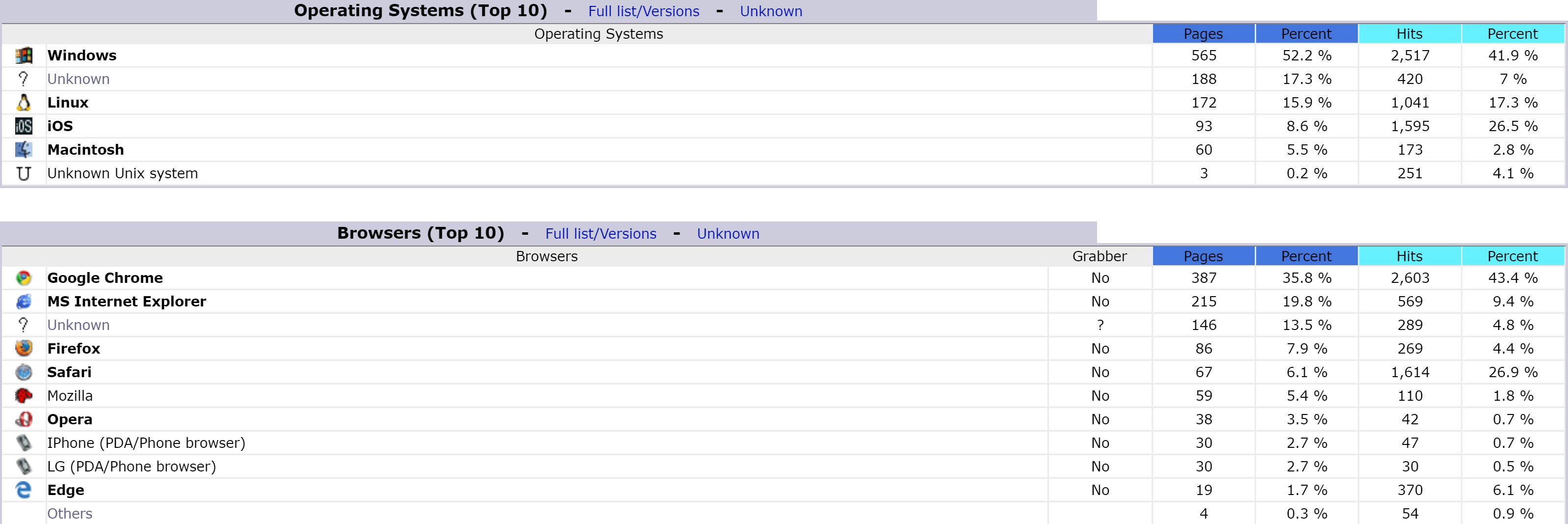
This data offers a helpful snapshot of user technology preferences. Windows dominated operating system usage, driving over 52% of page views and 41.9% of hits, followed by Linux and iOS. Interestingly, iOS contributed significantly to hit volume despite fewer page views—hinting at highly interactive sessions via mobile. On the browser side, Google Chrome led by a wide margin, accounting for 35.8% of page views and over 43% of hits, reinforcing its role as the primary browsing tool. Safari stood out as well, with fewer page views but a surprisingly high hit count, suggesting deeper engagement from Apple users.
Concluding remarks
The data highlights strong user interest across key sections of The Core Group’s site. The homepage led with 387 views, while the contact page’s 189 views signaled high lead intent. Portfolio pages across industries also saw steady engagement, and services and clients pages maintained consistent visibility. Users are exploring meaningful content and showing readiness to connect—reinforcing the site’s effectiveness and pointing toward opportunities to emphasize these areas in future UX updates.